Most restaurant operators know their sales. They know whether the dining room was busy, whether Friday night was strong, and whether the weekend felt successful. But sales alone do not tell you whether the restaurant actually made money.
A restaurant can have a great sales day and still overspend on food, labor, or other expenses. That is why successful operators look beyond revenue. The right restaurant KPIs can help you understand how the business is performing while there is still time to make adjustments.
Here are the numbers restaurant operators should be watching every day.
Sales are the starting point. You need to know how much revenue the restaurant generated, but the number becomes much more useful when you compare it to something. Ask:
A $10,000 sales day may be great for one restaurant and disappointing for another. Context matters. The goal is not simply to know your sales—it is to understand whether sales are where they should be.
One of the most useful restaurant financial metrics is the difference between actual sales and budgeted sales. Your budget gives you a target. Without it, you know what happened, but you do not necessarily know whether the restaurant performed as expected.
If sales are consistently below budget, other parts of the operation may need to adjust:
Seeing that difference early gives operators more options to respond before small shortfalls become month-end problems.
Food cost is one of the largest expenses in most restaurants, and it can also change quickly:
Operators should know whether food cost is tracking where it should be instead of waiting until the end of the month to find out there was a problem. The important question is not simply: "What is our food cost?" It is: "How does our food cost compare to our target?"
Labor is another major restaurant expense that deserves daily attention. Schedules are built in advance, but actual sales do not always follow the forecast. If sales come in lower than expected and staffing remains the same, labor percentage can climb quickly.
Watching labor throughout the week can help operators identify:
The goal is not to cut staff unnecessarily. It is to make sure staffing matches the business your restaurant is actually doing.
Labor dollars tell you how much you spent, but labor percentage tells you how that spending relates to your sales.
For example, spending $4,000 on labor does not tell you much by itself. If the restaurant generated $20,000 in sales, that labor cost represents 20 percent of sales. If the restaurant only generated $12,000, the same labor dollars suddenly have a much greater impact.
This is why percentages are important—they give expenses context. Your ideal labor percentage will depend on your concept, service model, wages, location, and budget. What matters most is understanding the target your restaurant needs to hit.
Knowing what you purchased can help explain changes in food cost before the monthly P&L arrives. If purchasing suddenly increases, operators should understand why:
There may be a perfectly reasonable explanation, but the important part is seeing it. Small changes in purchasing can become much larger problems when they continue unnoticed for several weeks.
Food and labor get most of the attention, but they are not the only expenses that affect restaurant profitability. Restaurants have dozens of other costs:
Individually, these numbers may seem small. Together, they can have a meaningful impact on profit. Operators should understand whether controllable expenses are staying within budget instead of only focusing on sales, food, and labor.
This may be one of the most valuable restaurant KPIs of all:
The difference tells you where to investigate:
Budget vs. actual turns financial reporting into something actionable. Instead of simply knowing what happened, you know where the restaurant is performing differently than planned.
At the end of the day, this is the number that matters. Sales are important. Food cost matters. Labor matters. Expenses matter. But the reason operators track all of those numbers is to understand what is left after the restaurant pays its costs.
A busy restaurant is not automatically a profitable restaurant. A restaurant can increase sales and still make less money if expenses increase even faster. That is why operators need to connect daily activity to the bigger financial picture.
Restaurant operators already have access to enormous amounts of data:
The challenge is often bringing those numbers together in a way that helps you make decisions. The goal should not be to spend hours analyzing reports every morning. It should be to quickly understand:
Those questions turn restaurant data into operating decisions.
A monthly P&L is valuable. But by the time it arrives, many of the decisions behind those numbers happened weeks ago. Restaurant operators should not have to wait until the month ends to find out that food cost was high, labor was over budget, or expenses were trending in the wrong direction.
The earlier you see a change, the more opportunity you have to respond. That may mean:
Small decisions made throughout the month can have a significant impact on the final result.
FobeSoft helps restaurant operators bring their key financial information together so they can understand how the business is performing throughout the month. Operators can compare sales, food, labor, controllable expenses, and budget performance without waiting for a traditional month-end P&L.
You also work with a dedicated Profit Consultant who helps you understand what the numbers are telling you and where there may be opportunities to improve. Because knowing your numbers is useful—knowing what to do with them is what can change your bottom line.
See how FobeSoft can help you monitor your restaurant KPIs, compare performance to budget, and make more informed decisions throughout the month.
The most important daily restaurant KPIs are sales, sales compared to budget, food cost, labor cost, labor percentage, food purchases, controllable expenses, budget vs. actual, and profit. Together they show whether the restaurant is making money, not just whether it was busy.
Sales show how much revenue came in, but not what it cost to earn it. A restaurant can have a strong sales day and still lose money if food, labor or other expenses run over budget. Profitability depends on how sales compare to costs.
Labor cost is the dollar amount spent on staff. Labor percentage is that cost divided by sales. For example, $4,000 in labor on $20,000 in sales is 20%. The same $4,000 on $12,000 in sales is about 33%, which hits profit much harder.
It depends on your concept, service model, wages, location and budget, so there’s no single right number. What matters most is knowing the target your restaurant needs to hit and checking each day whether actual labor is on track.
Budget vs. actual compares what you planned to spend or earn with what really happened. The gap shows you where to look: food above budget, labor above budget, or sales below budget. It turns financial reports into specific actions.
By the time a monthly P&L arrives, the decisions behind those numbers were made weeks ago. Tracking a daily P&L lets operators spot high food cost, labor overruns or rising expenses early, while there’s still time to adjust schedules, purchasing or budgets.
FobeSoft is restaurant profitability software that brings sales, food, labor, controllable expenses and budget performance together in a daily P&L. Operators can see how the month is tracking without waiting for month-end, and a dedicated Profit Consultant helps them act on the numbers.

From concept developer and restaurant general manager, to corporate chef and marketing director, Murphy has been the lead executive in a number of the country’s most prominent restaurants and bars. Connect with Geordy on geo@cypresshospitalitygroup.com
Restaurant food costs have been under pressure for years. So when food cost starts climbing, inflation is often blamed. But it may not be the whole problem.
Restaurant prime cost combines your two largest controllable expenses—cost of goods sold and labor—into one clear benchmark.
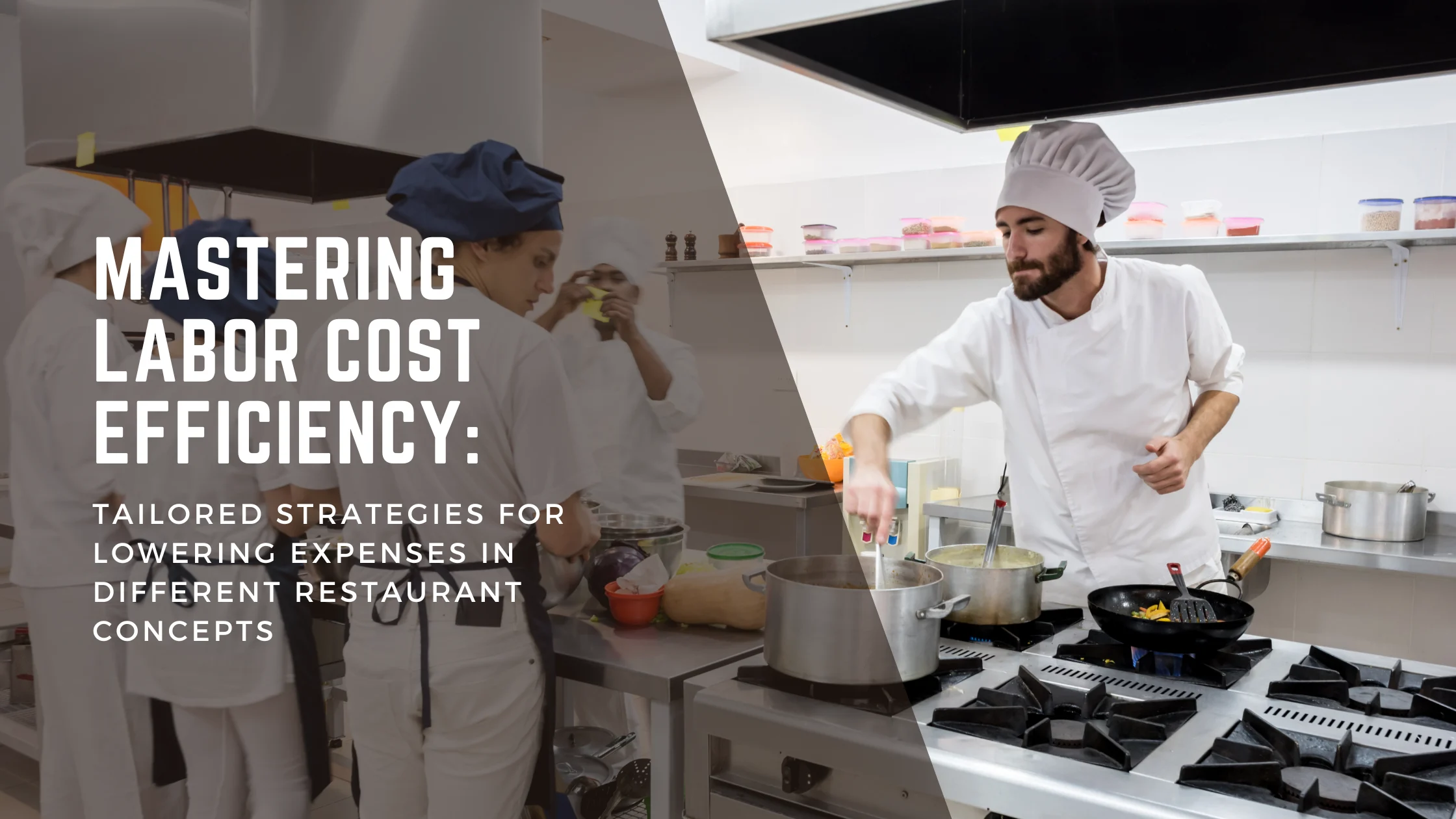
Delve into actionable strategies tailored to various restaurant concepts, providing insights to lower labor costs effectively across all shifts.